


Take Advantage of this limited offer from Creation Press. The first 100 free subscribers will automatically be upgraded to a paid account for one year and enjoy serialized Christian fiction straight to their inbox.
Can’t stop using Porn?
Transform your life with the Victory in Christ course! Join our 10-week program for structured guidance, supportive community, and powerful spiritual tools to overcome addiction and embrace your true identity in Jesus. Start your free trial and claim victory today!
Start Free Trial →
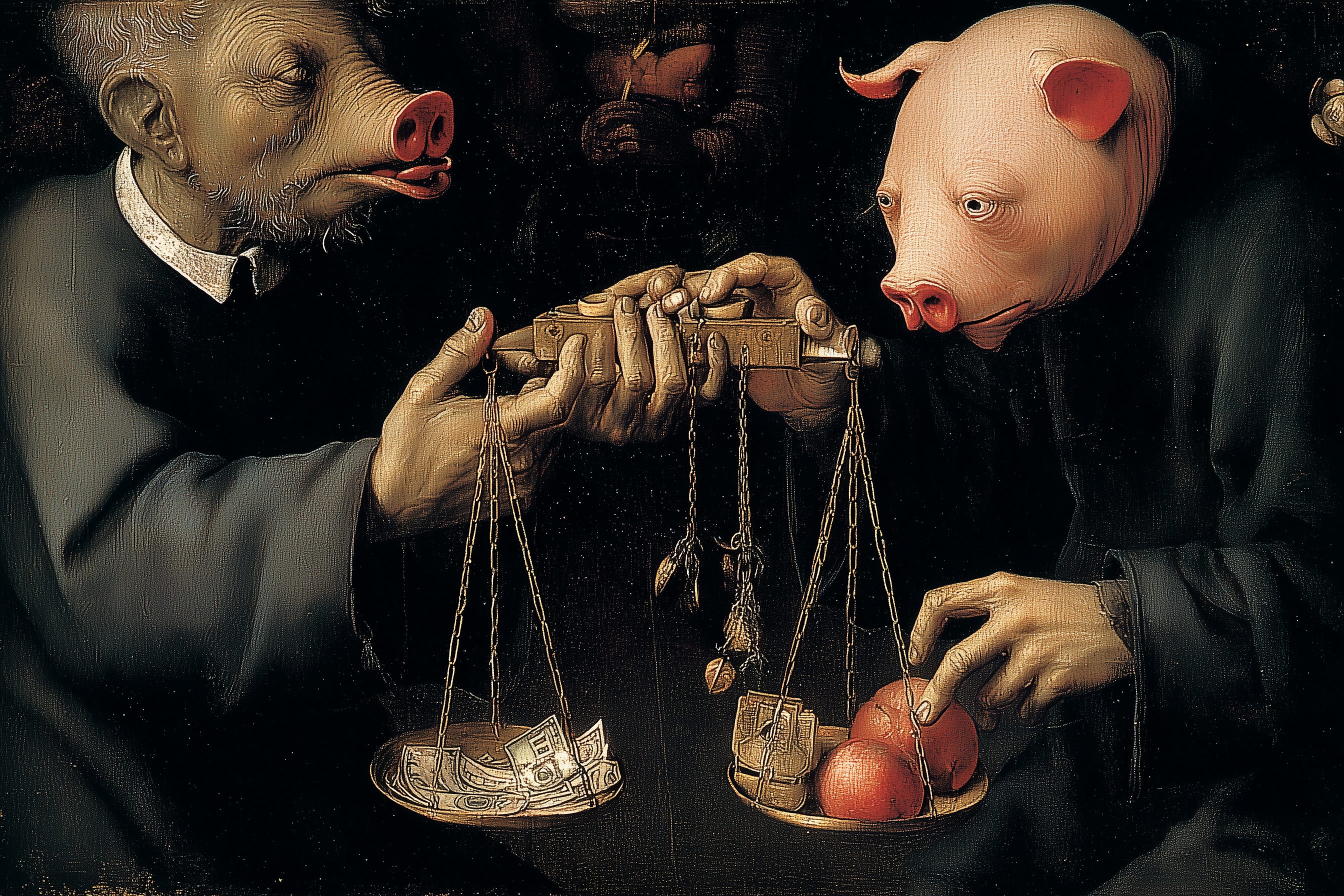

In Jesus’ parable of the talents, a master entrusts different sums to three servants: five, two, and one. He does not demand identical results; he commends faithfulness. The servants who risk and work are rewarded according to what they stewarded; the one who buries his coin is judged for sloth and fear. The scene is jarring in a world that equates justice with sameness. Jesus upholds impartial judgment and celebrates unequal outcomes that flow from unequal stewardship.
What if God’s vision of justice doesn’t guarantee the same finish line for everyone, but guarantees a fair race under the same righteous Judge?
What happens to a society when it tries to engineer equal outcomes instead of protecting equal opportunity?
And what fruit grows when we trade the biblical call to impartiality for a cultural program of partiality-by-policy?
What is DEI (Diversity, Equity, and Inclusion)?
Short definition (for clarity):
Diversity = counting demographic differences.
Inclusion = changing culture and rules to ensure psychological and procedural welcome.
Equity = re-distributing positions, resources, or rewards to equalize outcomes among groups.
In common practice, DEI in the workplace, higher education, and public policy increasingly centers the third term—equity—shifting justice away from impartial rules (equality before the law) toward engineered results (equal outcomes). That shift sounds compassionate but smuggles in coercion, group favoritism, and false weights.
Biblical justice is impartial justice—one standard for all, with special care for the vulnerable but no partiality in judgment (Leviticus 19:15).
Is equity the same as equality?
Equality protects the same rules and equal treatment—equal opportunity under a neutral standard. Equity manipulates rules or preferences to hit targeted results. Scripture repeatedly commands impartiality in courts and councils:
Do not bend justice to curry favor with the crowd or to favor the rich or the poor (Exodus 23:2–3; Deuteronomy 1:16–17).
Do not show favoritism in the assembly of believers (James 2:1–4).
Use honest scales (Proverbs 11:1).
The Bible’s portrait is crystal: equal weights and measures, not equalized outcomes.
Does God play favorites among groups?
No. Peter’s breakthrough in Caesarea was simple and seismic: “God shows no partiality” (Acts 10:34). The gospel unites people across every line—“there is neither Jew nor Greek… for you are all one in Christ Jesus” (Galatians 3:28). In Christ, worth and welcome are equal; rewards in life and ministry still vary by calling, faithfulness, and fruit.
What does Scripture say about work, reward, and outcomes?
“If anyone is not willing to work, let him not eat.” (2 Thessalonians 3:10)
“Do you see a man skillful in his work? He will stand before kings.” (Proverbs 22:29)
“All hard work brings a profit.” (Proverbs 14:23)
“Each will have to bear his own load.” (Galatians 6:5)
God does not guarantee identical outcomes. He does guarantee that He sees faithful labor and governs just reward. He distributes gifts as He wills (Romans 12:6; 1 Corinthians 12:4–7) and expects wise stewardship like Jethro’s counsel—choose capable people of character for responsibility (Exodus 18:21).
Bottom line: Scripture honors merit, stewardship, and character without collapsing into pride—and forbids partiality without collapsing into indifference.
